
Everything You Need to Know About Garage Door Weather Stripping
A garage door helps protect your home from the elements, pests, and temperature swings. At H&H Garage Doors, we’ve been helping homeowners keep their garages sealed and functioning properly for over 20 years, and we’ve seen how something as simple as garage door weather stripping in Orlando, FL, can make a noticeable difference.
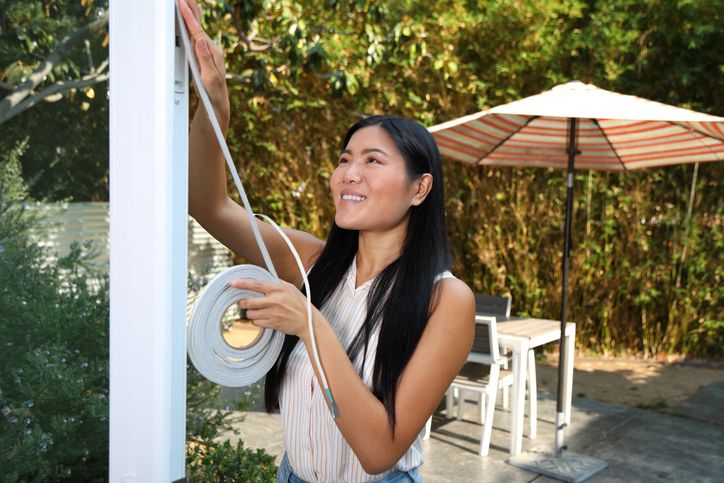
What Is Garage Door Weather Stripping?
Garage door weather stripping is the flexible material installed along the edges of a garage door to seal gaps between the door and the surrounding structure. These seals are typically made from rubber, vinyl, or similar materials designed to compress when the door closes. This includes the bottom seal, which sits along the base of the door, as well as door frame weatherstripping that lines the sides and top. Together, these components create a barrier that keeps outside air, moisture, and debris from entering the garage.
Why Garage Door Weather Stripping Is Important
A properly sealed garage maintains the condition of both the garage and the home connected to it. These advantages highlight why garage door weather stripping is not something to overlook or delay when it starts to wear down:
- Temperature control becomes easier when outside air is kept out. This is especially helpful during Florida’s hot and humid months.
- Moisture prevention helps reduce the risk of mold, mildew, and water damage inside the garage.
- Pest control improves since gaps that allow insects or rodents inside are sealed off.
- Energy efficiency can also benefit, particularly if the garage is attached to the home.
Signs Your Garage Door Weather Stripping Needs Replacement
Over time, exposure to heat, rain, and daily use causes weather stripping to break down. If any of these issues appear, it’s usually time to replace the existing seals before the problem worsens:
- You might notice visible cracks or brittleness in the material. This often happens when rubber or vinyl dries out.
- Gaps along the bottom or sides of the garage door are a clear sign that the seal is no longer effective.
- Water, dirt, or leaves entering the garage after rain can indicate a failing seal.
- Increased drafts or temperature changes inside the garage may point to worn-out weather stripping.
Types of Garage Door Weather Stripping
Different types of garage door weather stripping serve different purposes, and combining them creates a more complete barrier. Choosing the right combination of these types of door weather stripping ensures better performance and longer-lasting protection:
- Bottom Seals – These attach to the bottom edge of the garage door and compress against the floor when the door is closed. They are essential for preventing water and debris from entering.
- Threshold Seals – Installed directly on the garage floor, these work with the bottom seal to create a tighter seal, especially on uneven surfaces.
- Door Frame Weatherstripping – This is installed along the sides and top of the garage door frame. It helps seal the perimeter where the door meets the frame.
- Brush Seals – Often used in areas with uneven surfaces, brush-style seals can adapt to small gaps and irregularities.
How to Install Garage Door Seals & Weather Stripping
For homeowners interested in tackling the project themselves, understanding how to put weather stripping on a garage door is important. Here are the basic steps:
- Before installing new materials, the old weather stripping should be removed completely. This ensures a clean surface and proper adhesion.
- The new seal must be measured and cut to fit the door or frame accurately. Even small gaps can reduce effectiveness.
- For bottom seals, the material is typically slid into a track or secured along the bottom edge of the door.
- Door frame weatherstripping is usually nailed or screwed into place along the sides and top.
- Testing the door after installation helps confirm that the seal is tight without interfering with the door’s movement.
While you can install garage door weather stripping yourself, professional installation can help avoid alignment issues and ensure a secure fit.
Why Garage Door Weather Stripping Maintenance Matters
After installation, ongoing maintenance is essential to keep weather stripping in good condition. Florida’s climate can accelerate wear, making regular checks especially important. Cleaning the seals periodically helps prevent dirt buildup that can affect performance, and lubricating moving parts of the garage door system can reduce strain on the seals as the door opens and closes. When weather stripping begins to lose flexibility or no longer seals properly, replacing it promptly will maintain the garage’s integrity.
Get Expert Help With Garage Door Weather Stripping
If your garage door weather stripping is worn out or you’re unsure how to put weather stripping on a garage door correctly, we’re ready to help. H&H Garage Doors proudly serves Orlando and Central Florida with reliable service backed by decades of experience. We are licensed, insured, and family-owned and operated. Reach out to our team to schedule an inspection or get professional installation that keeps your garage properly sealed.